






2
0




The Veteran Family Telemedicine Service (VFTS), a virtual healthcare program created to support the changing health needs of Canadian Armed Forces (CAF) Veterans, their families, and survivors, is being expanded by the federal government in collaboration with Canadian Forces Morale and Welfare Services (CFMWS).
This expansion, announced in February 2026, broadens eligibility beyond medically-released Veterans to include all CAF Veterans released on or after 1 April 2025, as well as their families and survivors.
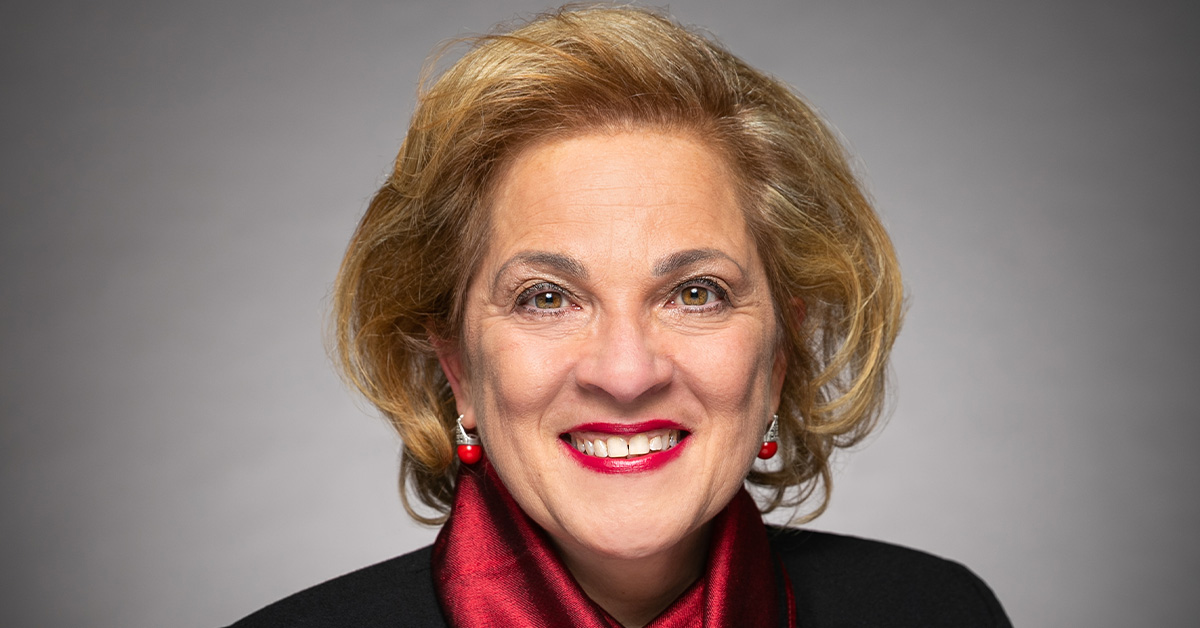
“Access to timely, convenient, and modern health services is critical for Veterans and their families. The extension and expansion of the Veteran Family Telemedicine Service to all eligible Veterans will help fill service delivery gaps to ensure that Veterans can receive the care they need – whenever and wherever they need it.” – Honourable Jill McKnight, Minister of Veterans Affairs and Associate Minister of National Defence
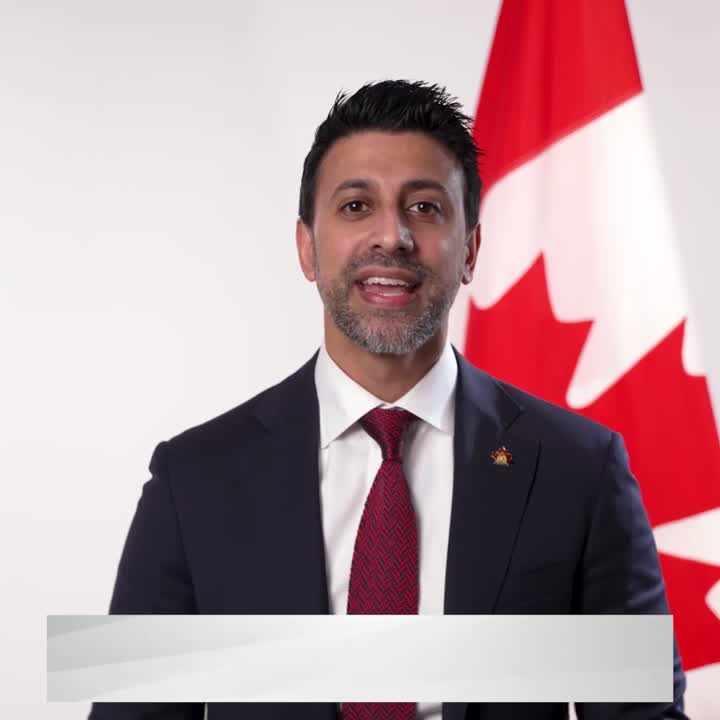
“As Veterans leave the structured support of military service, telemedicine helps ensure continuity of care, strengthens access to critical health services, and helps Veterans and their families feel connected, supported, and seen no matter where their next chapter takes them.” – Todd Stride, Acting Vice President, Military Family Services Division, Canadian Forces Morale and Welfare Services
Through Maple, a third-party telehealth platform, the VFTS offers qualified individuals safe, online access to medical experts licensed in Canada. Through text, audio, or video communication, users can get in touch with general practitioners, nurse practitioners, and specialists to receive medical consultations, prescription services, referrals, and treatment plans without ever having to leave their homes.
The program helps close treatment gaps, but it is not a substitute for provincial health services. This is particularly true for people without a regular primary care physician or for people living in rural and isolated areas where timely in-person access may be limited.
All presently registered Veterans and their families, will automatically be granted a one-year extension of coverage under the revised program criteria, and new applications must be completed by March 31, 2027.
Virtual healthcare has grown in importance as a tool to assist the health outcomes of Veterans. Telehealth use among Canadian Veterans helped lower barriers to care, especially for individuals who had trouble obtaining regular services, according to research done during the COVID-19 epidemic. According to some participants, telehealth helped them overcome obstacles like lengthy appointment wait times, transportation restrictions, and safety worries. However, studies have also shown that virtual care cannot adequately meet all medical needs, highlighting the continued significance of in-person treatments when appropriate.
These kinds of findings imply that telemedicine can supplement current care systems by increasing clinician reach and improving access for Veterans who might otherwise experience protracted delays or obstacles to receiving expert assistance.
Navigating civilian health systems and locating new healthcare providers are just two of the many difficult obstacles that come with leaving the military. Even in the absence of a local provider, the VFTS helps Veterans and their families maintain access to critical services by providing continuity of care during this vulnerable time.
Due to its large size, Canada may have unequal access to healthcare. Because virtual care offers fair access to certified healthcare experts regardless of location, it can help close gaps for underserved, rural, and remote regions.
Expanding telemedicine is in line with larger federal initiatives to improve access to virtual care. More over 8,300 Veterans have used virtual mental health and related services by March 2025, according to current government data, indicating the community’s increasing need and benefit from digital health solutions.
Visited 2 times, 1 visit(s) today